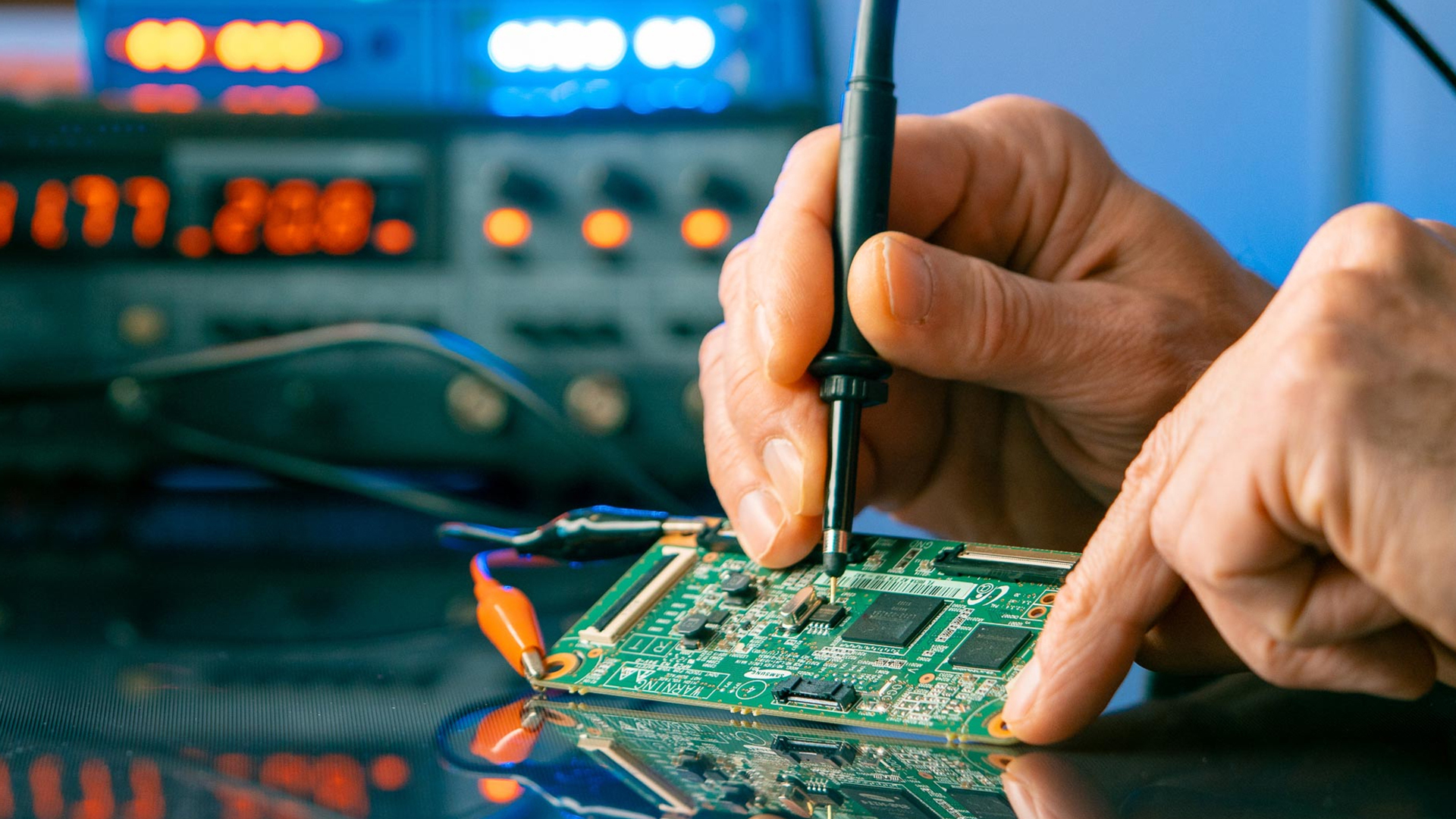
Exploring the Fusion of Art and Technology: How Creativity Powers Electronics
The intersection of art and technology has given rise to innovative creations that challenge our understanding of both fields. Artists are increasingly utilizing advanced electronics to enhance their work, incorporating everything from interactive installations to digital media. This fusion allows for a unique expression that not only captivates the audience but also invites them to engage with the art on a deeper level. For instance, many contemporary artists are employing augmented reality and virtual reality to create immersive experiences that redefine traditional boundaries, showcasing how creativity can power electronics in new and exciting ways.
As we continue to explore this dynamic relationship, it becomes clear that the creative potential embedded within technology is vast. Designers and engineers are working hand-in-hand with artists to develop products that are not only functional but also aesthetically pleasing. This collaboration results in the emergence of smart devices and wearable tech that blend utility with artistic flair. By integrating art into electronics, we open doors to a future where creativity drives innovation, continuously pushing the limits of what is possible, and fostering a culture where both fields enrich one another.
Counter-Strike is a highly popular tactical first-person shooter game that pits two teams, terrorists and counter-terrorists, against each other in various objective-based scenarios. Players can choose from different game modes and maps, relying on teamwork, strategy, and precise shooting skills to secure victory. For gamers looking to enhance their experience, check out the Top 10 iPhone accessories under 100 to find some great tools to elevate your gameplay.
DIY Electronics Projects: Unleashing Your Inner Innovator
DIY Electronics Projects are more than just a way to pass the time; they represent an exciting venture into the world of innovation and creativity. Whether you're a beginner or an experienced enthusiast, these projects allow you to explore the fundamentals of electronics while developing valuable skills. From building simple circuits to creating smart devices, the possibilities are limitless. As you embark on this journey, remember that the joy of DIY electronics lies in experimenting. Here are a few projects to consider:
- LED flashlights
- Arduino-based weather stations
- Remote-controlled gadgets
Engaging in DIY Electronics Projects not only hones your technical abilities but also fosters a deeper understanding of how devices function in our daily lives. By working hands-on with components such as resistors, capacitors, and microcontrollers, you’ll gain insights that theoretical learning alone cannot provide. Furthermore, these projects can ignite your passion for innovation, leading to unique creations that solve real-world problems. Unleash your inner innovator by documenting your progress; share your findings on blogs or social media platforms to inspire others. Remember, every inventor started as a beginner!
What Are the Basics of Circuit Design and Why Should You Care?
Circuit design is the process of creating electronic circuits that can perform specific tasks. At its core, it involves the planning and arrangement of electronic components, such as resistors, capacitors, and transistors, to achieve desired functionality. Basic principles include understanding Ohm's Law, which relates voltage, current, and resistance, as well as familiarizing oneself with various circuit topologies like series and parallel configurations. It's essential to consider factors like power requirements, frequency response, and signal integrity to ensure that the circuit operates effectively.
Understanding the basics of circuit design is crucial, especially in a technology-driven world. Whether you are a hobbyist looking to build your own projects, a student aiming to excel in electronics, or a professional intending to innovate, a solid grasp of circuit design principles will enhance your capabilities. Moreover, as electronics become increasingly integrated into everyday products, having this knowledge can broaden your career prospects and enhance your problem-solving skills in a variety of fields.