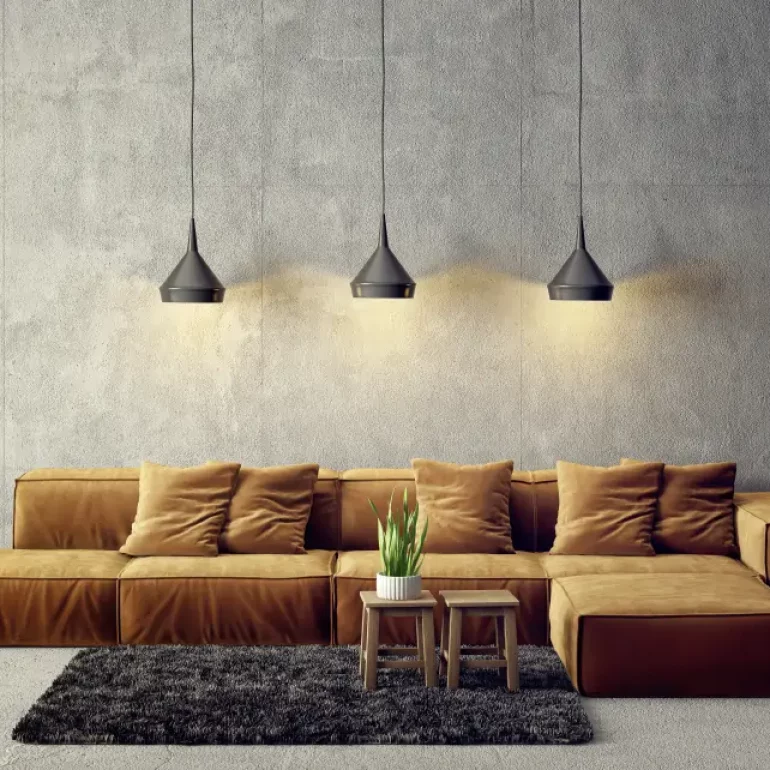
How Lighting Affects Mood: The Psychology Behind Your Space
The impact of lighting on mood is a fascinating intersection of psychology and design that cannot be overlooked. Natural light, for instance, has been shown to increase serotonin levels in the brain, promoting a sense of happiness and well-being. In contrast, harsh artificial lighting can lead to feelings of stress and anxiety. This is why many interior designers emphasize the importance of layered lighting, which combines ambient, task, and accent elements to create a balanced and inviting atmosphere in any space.
Moreover, different colors and intensities of light can evoke varying emotional responses. For example, warm lighting tends to create a cozy and intimate vibe, while cooler tones can energize and stimulate focus. Understanding how lighting affects mood enables you to tailor your environment to fit specific needs, whether it's a calm sanctuary for relaxation or a bright workspace for productivity. Incorporating these principles can lead to a more harmonious living or working space that is conducive to your emotional health.
Counter-Strike is a highly competitive first-person shooter game that has captivated players worldwide since its inception. As teams of terrorists and counter-terrorists clash in various game modes, players must employ strategy, teamwork, and skill. For those interested in enhancing their gameplay experience, check out the Top 10 mobile content creation gear to optimize your setup.
10 Creative Lighting Solutions to Revamp Any Room
Revamping your living space can be as simple as changing the lighting. Creative lighting solutions not only enhance the ambiance but also add a stylish touch to your home decor. Here are 10 innovative ideas that can transform any room into a welcoming oasis:
- Pendant Lights: Hang stylish pendant lights over dining tables or kitchen islands to create a cozy atmosphere.
- Wall Sconces: Add wall sconces for a touch of elegance while saving floor space.
- String Lights: Use whimsical string lights in bedrooms or outdoor patios to bring a playful vibe.
- Smart Bulbs: Install smart bulbs to control color and brightness with your smartphone.
- Floor Lamps: Choose a statement floor lamp to serve as artwork and provide ample light.
- Track Lighting: Use adjustable track lighting to highlight artwork and create focal points.
- Recessed Lighting: Install recessed lighting for a modern, streamlined look in any room.
- LED Strip Lights: Place LED strip lights under cabinets or along shelves for a contemporary touch.
- Chandeliers: Opt for a bold chandelier to make a stunning statement in entryways or dining areas.
- Table Lamps: Incorporate unique table lamps for versatility in lighting and decor.
Can Lighting Really Change the Perception of Space?
When it comes to interior design, lighting plays a pivotal role in shaping the overall atmosphere of a space. By strategically using various lighting techniques, such as layered lighting, ambient light, and task lighting, homeowners can significantly alter how a room feels. For instance, softer, warmer lights can create a cozy and inviting environment, whereas bright, cool lights can make a space feel more open and energized. According to experts, the right lighting can even make small rooms appear larger by eliminating shadows that might confine the visual space.
Additionally, different light sources can evoke distinct emotions and psychological responses. Natural light, for example, not only enhances the aesthetic appeal of a room but also boosts mood and productivity. Many interior designers recommend incorporating a mix of natural and artificial lighting to create a balanced and versatile space. By understanding the interplay between light and spatial perception, individuals can make informed decisions that enhance their living environments and ultimately improve their quality of life.