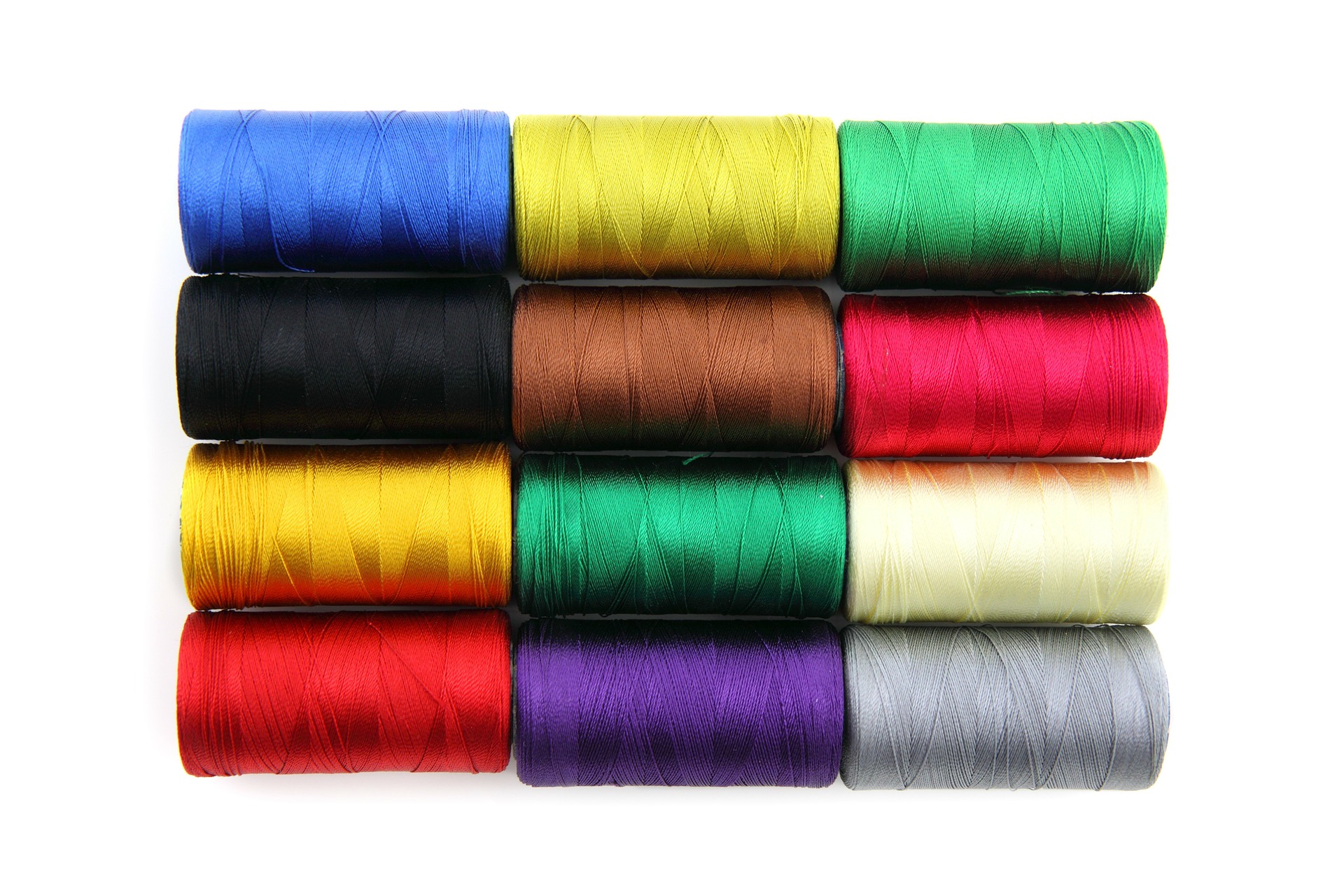
The Evolution of Nylon: From WWII to Fashion Runway
The story of nylon begins in the 1930s when chemist Wallace Carothers and his team at DuPont created this innovative synthetic fiber. Initially developed as a substitute for silk, it quickly gained prominence during World War II when it became a crucial material for military supplies, such as parachutes and tents. Its strength, durability, and resistance to moisture were revolutionary at the time. The post-war era saw a surge in consumer interest, as nylon became integrated into everyday products, leading to its widespread use in clothing and textiles, setting the stage for future fashion.
As the decades progressed, nylon transitioned from military utility to a staple in the fashion industry. In the 1950s, it made a notable debut in women's hosiery with the introduction of nylon stockings, which quickly became a symbol of femininity and sophistication. Designers began to experiment with this versatile fabric, incorporating it into everything from activewear to evening gowns. By the 21st century, nylon was embraced by high-fashion designers on the runway, redefining its status from humble origins to a material synonymous with cutting-edge style and innovation.
Counter-Strike is a popular team-based first-person shooter (FPS) game that has captivated millions of players around the world. Known for its tactical gameplay and competitive scene, players can choose between two teams: Terrorists and Counter-Terrorists. Whether you are looking to improve your skills or join a professional league, it's essential to have the right gear, including the Top 10 Apple Watch Bands for Sweating, to enhance your gaming experience.
10 Surprising Uses of Nylon in Everyday Life
Nylon, a versatile synthetic polymer, has woven itself into the fabric of our daily lives in ways that might surprise you. From clothing to industrial applications, nylon is more than just a material; it's a key player in many products we rely on. Did you know that it was first developed during the 1930s and was initially used as a replacement for silk in stockings? Today, it serves various purposes, and here are 10 surprising uses of nylon that you may not have considered:
- Medical Devices: Nylon is used in stitches and sutures due to its strength and durability.
- Fishing Lines: Its resistance to water and abrasion makes nylon ideal for fishing gear.
- Parachutes: Nylon's lightweight nature and high tensile strength contribute to the safety of skydivers.
- Musical Instruments: Nylon strings are popular in guitars for their unique sound and feel.
- Rain Gear: Many waterproof jackets are made from nylon due to its water-resistant properties.
- Automotive Parts: Nylon is used in various car components due to its low weight and high resistance.
- Backpacks: The durability of nylon makes it a favorite for students and travelers.
- Ropes and Cords: The strength of nylon ropes makes them essential for climbing and rescue operations.
- Cosmetics: Nylon is found in some cosmetic products for its smooth texture.
- Home Furnishings: From carpets to upholstery, nylon fibers are integral in creating durable and stylish home textiles.
Why is Nylon So Durable? Exploring the Science Behind the Fabric
Nylon is renowned for its incredible durability, making it a popular choice in various applications, from clothing to industrial products. This exceptional strength can be attributed to its unique molecular structure. Nylon is a synthetic polymer, specifically a polyamide, formed from the condensation of diamines and dicarboxylic acids. This process creates long, flexible chains that contribute to the fabric's tensile strength and resilience. Moreover, the interchain hydrogen bonding in nylon enhances its durability, enabling it to withstand significant stress without breaking, which is why it's often used for items like ropes, seat belts, and outdoor gear.
Additionally, the ability of nylon to resist abrasion and environmental degradation plays a critical role in its durability. The fabric exhibits excellent resistance to wear and does not easily degrade when exposed to moisture, sunlight, or chemicals. This makes it ideal for outdoor use, where other materials may falter. In comparison to natural fibers, nylon retains its integrity and shape even after repeated use and washing, making it a favorite among manufacturers and consumers alike. Thus, the science behind nylon's durability reflects a blend of innovative engineering and practical application, solidifying its place as a staple fabric in many industries.