Exploring the Top 5 Innovations in Car Technology Changing Daily Commuting
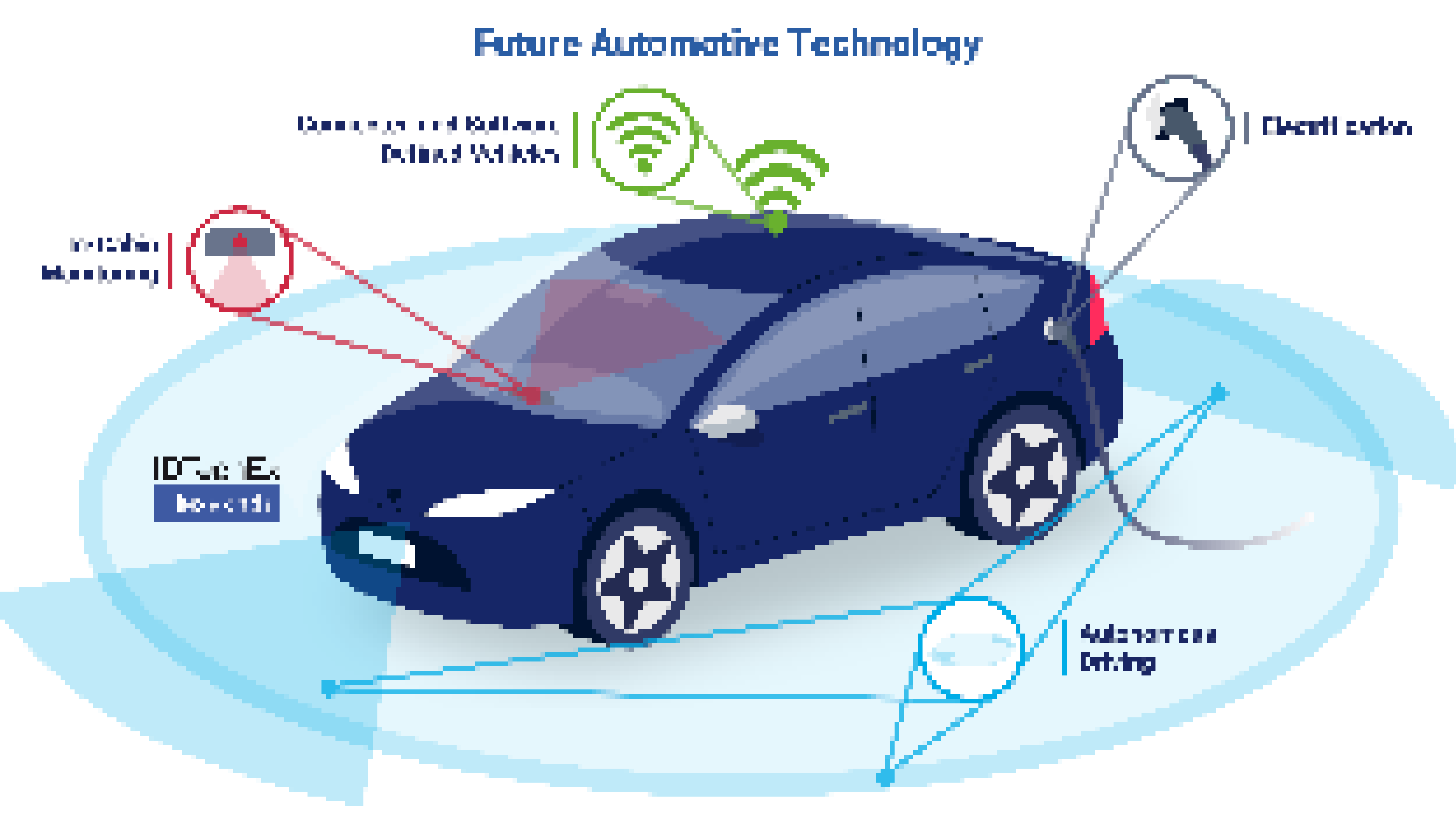
The automotive industry is experiencing rapid transformation, with technological advancements redefining the way we commute daily. One of the top innovations making a significant impact is driver-assistance systems. These systems, which include features like adaptive cruise control, lane-keeping assistance, and automatic emergency braking, enhance road safety by helping drivers respond more effectively to potential hazards. As commuters embrace these technologies, the likelihood of accidents decreases, making daily travel not only more convenient but also safer.
Another major innovation reshaping daily commuting is the rise of electric vehicles (EVs). With advancements in battery technology and an expanding charging infrastructure, EVs offer a sustainable alternative to traditional gasoline-powered cars. Users benefit from lower operating costs and reduced environmental impact, which is especially appealing in urban areas. Additionally, the advent of smart connectivity in automobiles, such as integration with apps and smart home devices, allows commuters to optimize their journeys, monitor vehicle health, and enhance overall driving experiences.
Counter-Strike is a popular team-based first-person shooter game that has captivated millions of players worldwide. Since its inception, it has evolved through various versions, fostering a competitive gaming scene that includes professional tournaments and leagues. While battling in this tactical environment, players often seek reliable accessories to enhance their gaming experience, such as Top 10 iphone car mounts to keep their mobile devices secure during gameplay.
How Advanced Driver-Assistance Systems (ADAS) Are Making Roads Safer for Everyone
Advanced Driver-Assistance Systems (ADAS) are revolutionizing road safety by leveraging cutting-edge technology to assist drivers in various critical situations. These systems include features such as adaptive cruise control, lane departure warnings, and automated emergency braking, all designed to reduce human error which is responsible for a significant percentage of road accidents. The integration of ADAS in vehicles means that more drivers are receiving real-time feedback, helping them to make better decisions on the road and ultimately fostering a safer driving environment.
Moreover, the benefits of ADAS extend beyond individual safety; they contribute to enhancing overall traffic flow and reducing congestion. For instance, systems that monitor traffic conditions and adjust vehicle speed accordingly can help prevent collisions and decrease stop-and-go scenarios. As an increasing number of vehicles adopt Advanced Driver-Assistance Systems, the hope is that we will see a significant decline in accidents, injuries, and fatalities. It is clear that as technology evolves, ADAS will play a vital role in shaping a safer future for all road users.
Is Your Car Smarter Than You? A Deep Dive into In-Car Connectivity Features
In today's world, cars are more than just a mode of transportation; they are equipped with advanced in-car connectivity features that can make them seem smarter than their drivers. With the integration of technologies such as smartphone connectivity, voice recognition, and highly responsive touchscreens, vehicles have transformed into mobile command centers. Many modern cars now offer systems like Android Auto and Apple CarPlay, allowing drivers to seamlessly connect their devices and access navigation, music, and messaging applications—often with just a voice command. This level of connectivity not only enhances convenience but also boosts safety by minimizing distractions.
Moreover, features like real-time traffic updates and vehicle diagnostics provide an unprecedented level of intelligence directly within the car. Systems that monitor vehicle health can alert drivers about needed maintenance, ensuring that every journey is smooth and trouble-free. Additionally, the rise of autonomous driving technology further blurs the lines between man and machine, challenging the notion of who is actually in control. As we explore the capabilities of these advanced in-car connectivity features, we find ourselves asking: Is your car indeed smarter than you?