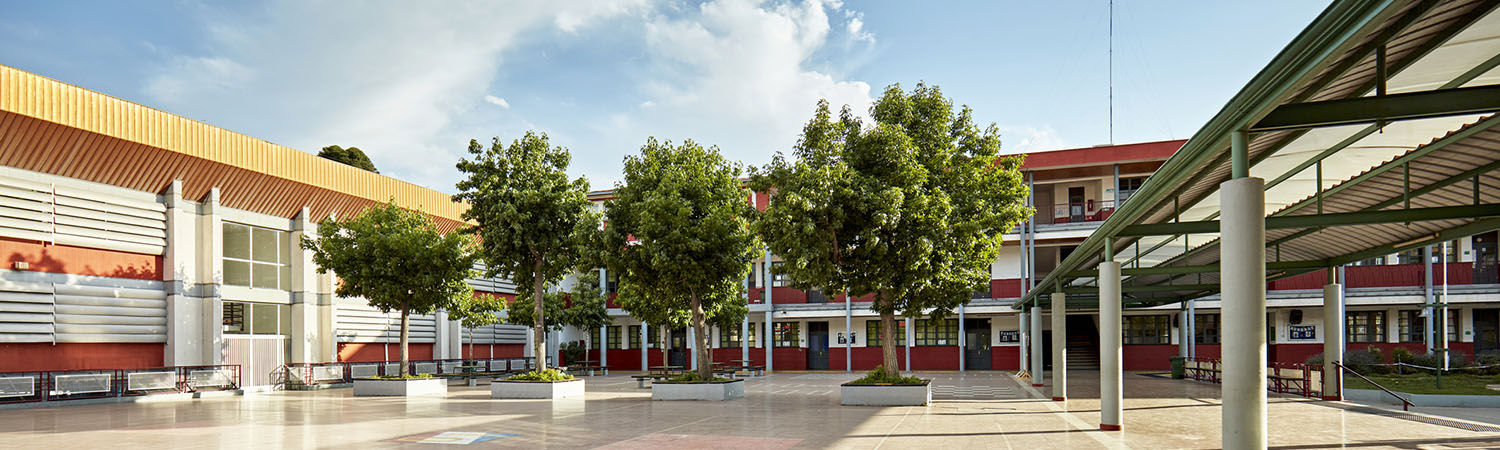
Transforming Classroom Climates: Strategies for Inclusive Learning
Creating an inclusive learning environment is essential for transforming classroom climates and ensuring that all students feel valued and supported. One effective strategy is to implement differentiated instruction, which allows educators to tailor their teaching methods to accommodate diverse learning styles and abilities. By offering a variety of resources—including visual aids, hands-on activities, and collaborative projects—teachers can engage students more effectively. Additionally, fostering a culture of respect and empathy is crucial; teachers can model inclusive behavior through group discussions that celebrate diversity and promote understanding among peers.
Another important strategy for enhancing classroom climates is to incorporate social-emotional learning (SEL)safe space where students feel comfortable expressing their thoughts and emotions without fear of judgment. This may involve establishing clear guidelines for respectful communication and encouraging student-led initiatives that promote inclusivity and collaboration, ultimately leading to a more harmonious learning experience for everyone.
Counter-Strike is a popular tactical first-person shooter game that has garnered a massive following since its release. Players engage in intense team-based matches, where they must strategize and communicate effectively to outmaneuver their opponents. For gamers looking to enhance their experience, it's often worth exploring the Top 10 MacBook Accessories for Students to optimize their setup.
The Impact of Classroom Environment on Student Well-Being: What We Need to Know
The classroom environment plays a crucial role in shaping student well-being and overall academic success. A positive and supportive atmosphere fosters engagement, enhances learning experiences, and promotes mental health. Research has shown that when students feel safe and valued, they are more likely to participate actively in class discussions, collaborate with peers, and express their thoughts freely. This encourages not only better academic performance but also the development of essential social skills.
Key elements of a healthy classroom environment include effective communication, respectful relationships, and inclusive practices. Teachers can create a nurturing space by implementing strategies such as regular check-ins with students, incorporating diverse learning materials, and encouraging open dialogue. Moreover, maintaining a well-organized and aesthetically pleasing classroom can significantly impact students' mood and motivation. Ultimately, understanding these factors is vital for educators seeking to enhance their students' well-being and set them up for lifelong success.
How Can We Foster Emotional Safety in Our Schools?
Fostering emotional safety in our schools begins with creating an inclusive environment where all students feel valued and respected. Implementing programs that promote social-emotional learning (SEL) can be a foundational step. These programs encourage positive interactions and help students develop skills like empathy and self-awareness. To further cultivate this atmosphere, it is essential for educators to practice active listening and to establish classroom norms that prioritize kindness and open communication. When students know their voices matter, they are more likely to express their feelings and concerns.
Additionally, involving parents and the community in discussions about emotional safety can greatly enhance the support system for students. Schools can host workshops that educate families on recognizing emotional distress and the importance of mental health. Establishing a clear protocol for addressing bullying and providing resources for students who may be struggling is also crucial. By fostering partnerships and encouraging collaboration among students, teachers, and families, we can create a holistic approach to emotional well-being that becomes embedded in the school culture.