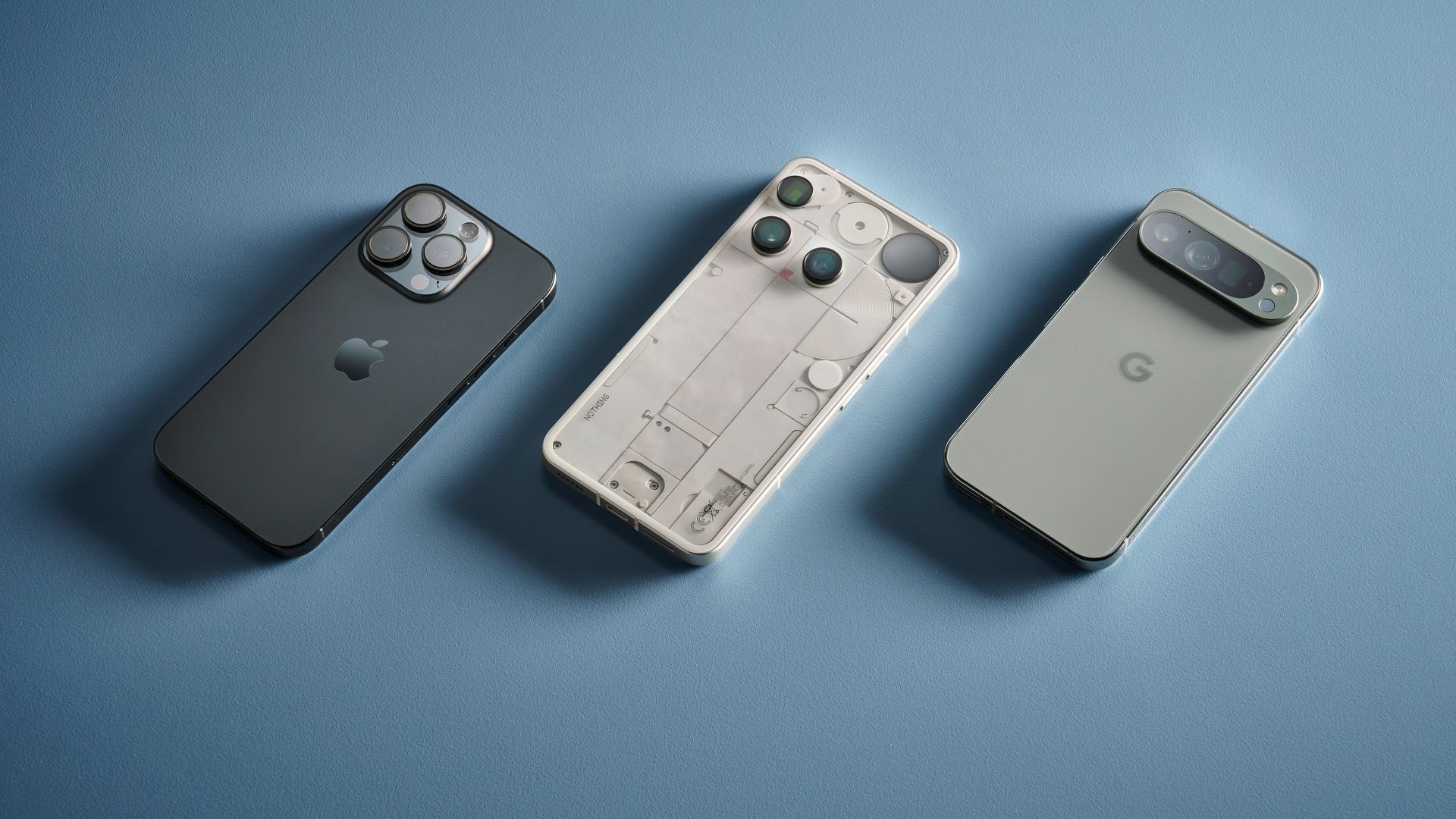
How Smartphones Have Revolutionized Our Lives: A Journey Through Time
The advent of smartphones has drastically transformed the way we communicate, work, and access information. Gone are the days when we relied solely on landlines or physical maps; today, smartphones serve as multifunctional devices that combine a phone, camera, computer, and entertainment center all in one. From sending instant messages to video calls with loved ones across the globe, smartphones have bridged the gap between people and places like never before. According to recent studies, over 60% of the world now owns a smartphone, indicating a significant shift in our daily interactions and the dissemination of information.
Moreover, smartphones have not only influenced personal communication but have also revolutionized numerous industries including education, healthcare, and business. For example, educational apps have made learning accessible to anyone with a smartphone, enabling users to grasp new skills and knowledge at their convenience. In healthcare, doctors can now monitor patients remotely and offer consultations through apps, improving patient care and accessibility. As we look back at the technological advancements since the first mobile phone was introduced in the 1980s, it is clear that the smartphone has become an essential tool that continues to shape our lives in profound ways.
Counter-Strike is a popular first-person shooter game that has garnered a massive following since its release. Players can choose to join either the Terrorist or Counter-Terrorist team, engaging in various game modes that test their strategy and teamwork skills. For those looking to enhance their mobile content creation, consider checking out the Top 10 Mobile Vlogging Accessories that can help elevate your videos!
The Evolution of Smartphone Technology: From Brick to Sleek
The evolution of smartphone technology has been a remarkable journey, transforming these devices from bulky, brick-like gadgets into sleek and powerful machines that fit comfortably in our pockets. In the early days, the first mobile phones were primarily designed for making calls, with minimal functionality. However, as demand for more advanced features grew, manufacturers began incorporating essential elements such as cameras, internet connectivity, and touch screens. This shift marked the beginning of a new era in communication and personal computing.
As we ventured further into the smartphone revolution, innovations like app stores and cloud storage became mainstream, allowing users to customize their devices and access information on-the-go. The introduction of smartphones powered by operating systems like iOS and Android accelerated the pace of development, leading to a diverse range of applications and capabilities. Today, whether it's capturing high-resolution photos, navigating unfamiliar cities, or managing our daily schedules, the sleek designs of modern smartphones integrate technology with functionality, demonstrating just how far we've come from those early models.
Are Smartphones the Key to Unlocking Our Past? Exploring Their Role in Digital Memory
In today's fast-paced digital age, smartphones have become powerful tools for preserving our memories and connecting with our past. With advanced camera capabilities, users can capture every moment, from mundane daily activities to significant life events. The integration of social media platforms enables us to share these captured memories instantaneously, creating a digital archive that allows us to revisit our history. Through photos, videos, and status updates, smartphones help us to not only document our lives but also to reflect on the people and experiences that have shaped us.
Moreover, smartphones are equipped with various apps designed to enhance our recollection of the past. For instance, journaling apps encourage users to record their thoughts and experiences, while cloud storage solutions ensure that important documents and images are safely backed up. These technological advancements help create a more holistic view of our personal history. As we explore the intersection of technology and memory, it becomes evident that smartphones play a pivotal role in unlocking our past, making it easier than ever to connect with our individual stories and family legacies.