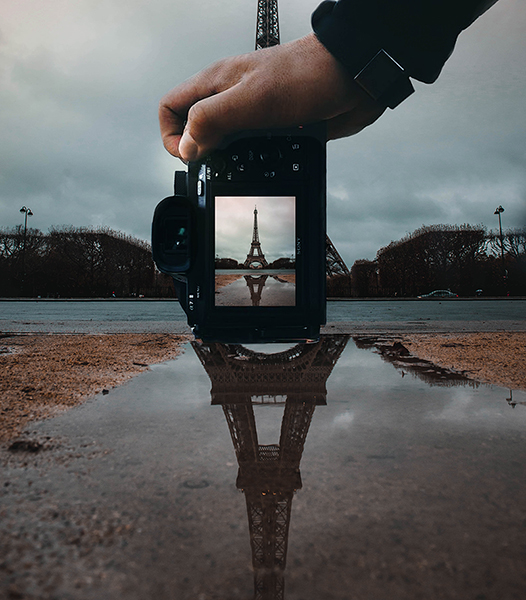
The Ultimate Guide to Capturing Picture-Perfect Moments: 10 Tips to Elevate Your Photography Skills
Capturing picture-perfect moments is an art that blends technical skills with creativity. To elevate your photography skills, start by mastering the basics of composition and lighting. A well-composed shot often makes the difference between a mediocre photo and a breathtaking one. Experiment with the rule of thirds by dividing your frame into nine equal parts and placing your subject along the grid lines or at their intersections. Additionally, pay attention to the direction and quality of light; natural light during the golden hour can transform ordinary scenes into extraordinary captures.
Next, enhance your photography skills by investing time in practicing with your camera settings. Understanding ISO, aperture, and shutter speed will empower you to take control of your shots. When shooting in difficult lighting conditions, adjust your ISO for sensitivity and choose an appropriate aperture to create stunning depth of field. Finally, don’t forget the importance of post-processing. Utilize editing software to fine-tune your images, but always aim to maintain a natural feel to preserve the authenticity of your captured moments.
Counter-Strike is a popular tactical first-person shooter game that has garnered a massive following since its release. Players can choose between two teams: Terrorists and Counter-Terrorists, each with specific objectives. To enhance your gameplay experience, it's essential to capture stunning moments, and you can achieve that by using the Top 10 iphone camera lenses for your mobile devices.
How to Choose the Best Lighting for Stunning Photos: Tips That Will Make Your Friends Envious
Choosing the best lighting for your photos is crucial to achieving stunning results that will leave your friends envious. Natural light often provides the best foundation, so consider taking your photos during the golden hour—the hour after sunrise and before sunset—when the sunlight is soft, warm, and flattering. If you're shooting indoors, try positioning yourself near a window to take advantage of this soft light. Additionally, you can utilize reflectors or white surfaces to bounce light onto your subject, enhancing the overall quality of your photos.
If natural light isn't an option, don't fret! Using artificial lighting can still deliver incredible results. Here are some tips for selecting the right lighting equipment:
- Choose a softbox or umbrella to diffuse harsh light and create a more even illumination.
- Invest in LED lights for adjustable brightness and color temperature.
- Remember to consider the direction of the light; side lighting can create dramatic shadows, while front lighting can minimize imperfections.
With the right lighting in place, you'll capture breathtaking images that will undoubtedly make your friends take notice.
What Are the Best Angles for Taking Eye-Catching Photos? Discover 10 Essential Techniques
Capturing stunning photographs is not just about having the right equipment; it’s also about understanding angles. The best angles can transform a mundane shot into a captivating image that draws viewers in. One fundamental technique is the eye level angle, which creates a direct connection with your subject. In contrast, experimenting with high angles can offer a unique perspective, making subjects appear smaller and adding depth to your composition. Don't forget the low angle, which can make your subjects look more powerful or dramatic. Try incorporating these angles into your photography to see how they can dramatically change the story your image tells.
To further enhance your photography skills, consider these ten essential techniques for finding the best angles:
- Eye Level: Capture your subject directly at eye level for relatability.
- High Angle: Shoot from above to give a different perspective.
- Low Angle: Make subjects appear more imposing.
- Bird’s Eye View: Offer a unique overhead perspective.
- Worm's Eye View: Get low to the ground to showcase scale.
- Diagonal Lines: Incorporate lines into your composition to draw the eye.
- Framing: Use natural elements to frame your subject.
- Negative Space: Enhance your subject with ample empty space around it.
- Rule of Thirds: Position points of interest along grid lines for better balance.
- Leading Lines: Use paths or lines to guide the viewer's eye toward your subject.