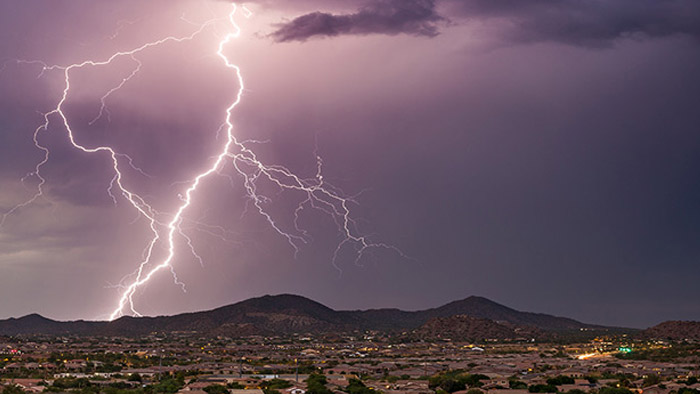
The Science of Lightning: Understanding the Phenomenon
The phenomenon of lightning is not just a spectacular natural display; it is also a fascinating scientific occurrence. Lightning occurs when static electricity builds up in storm clouds, creating a large electric charge that eventually discharges in the form of a bright flash. This discharge can reach temperatures of up to 30,000 degrees Fahrenheit, which is five times hotter than the surface of the sun. The process can be broken down into several stages:
- Charge separation within the cloud
- Formation of a stepped leader
- Return stroke creation
Each of these stages contributes to the dramatic and unpredictable nature of lightning.
Understanding lightning is crucial not only for meteorologists but also for safety during thunderstorms. It is vital to recognize the signs of an impending storm and to take precautions to avoid lightning strikes. Lightning can strike the ground up to 10 miles away from a storm, and its effects can be devastating. According to the National Weather Service, lightning is more likely to cause injuries and fatalities than tornadoes, yet many people underestimate its dangers. Therefore, it is essential to follow safety guidelines during a thunderstorm, such as staying indoors and avoiding tall structures.
Counter-Strike is a popular tactical first-person shooter game that emphasizes teamwork and strategy. Players can choose to play as terrorists or counter-terrorists, with various objectives to achieve in each match. For those looking to enhance their gaming experience, it's important to have reliable accessories, such as the Top 10 iPhone charging cables to keep devices charged during lengthy gaming sessions.
Myth vs. Reality: Common Misconceptions About Thunderstorms
Thunderstorms are often surrounded by misconceptions that can lead to unnecessary fear or misunderstanding. One common myth is that if you don't see rain, a thunderstorm isn't occurring. In reality, thunderstorms can produce high winds and lightning without any visible rainfall. This phenomenon is known as a virga, where precipitation evaporates before it hits the ground. Additionally, many believe that all thunderstorms produce tornadoes; however, the truth is that only a small fraction, typically associated with severe thunderstorms, produce these dangerous twisters.
Another prevalent misconception is that lightning never strikes the same place twice. Contrarily, lightning can and often does strike the same location multiple times, especially in areas like skyscrapers or tall trees that provide a clear path for electrical discharge. It's crucial to understand these realities to enhance safety during thunderstorms. For instance, seeking shelter indoors is essential even if it seems calm, as sudden storms can develop rapidly and unexpectedly.
What to Do When Lightning Strikes: Safety Tips and Best Practices
When lightning strikes, your safety is the top priority. Stay indoors whenever possible, and avoid using electrical appliances, as they can act as conduits for lightning strikes. If you are caught outside during a thunderstorm, seek shelter in a sturdy building or a vehicle. If neither option is available, find a low-lying area away from trees and crouch down as low as possible, making yourself a minimal target. Remember, the safest place is indoors during a lightning storm.
In addition to seeking shelter, it’s essential to understand what to avoid during a lightning storm. Here are some crucial safety tips:
- Avoid water. Stay out of pools, lakes, and other bodies of water.
- Stay away from tall objects such as trees and flagpoles.
- Do not use corded phones or wired electronics.
- If you’re in a group, spread out to avoid multiple injuries.