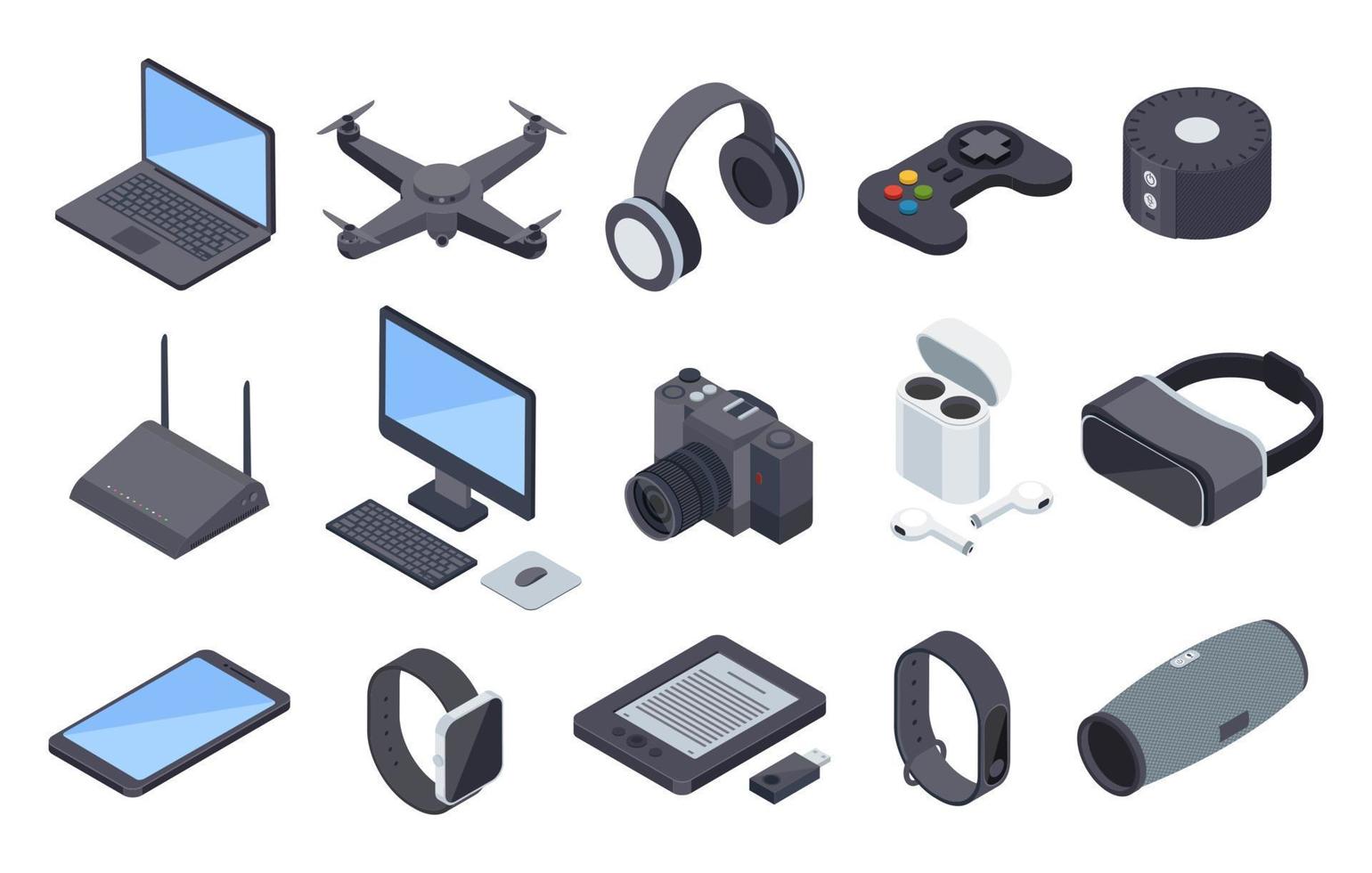
Understanding the Intelligence Behind Smart Devices: A Deep Dive
In today’s rapidly evolving technological landscape, smart devices have become an integral part of our daily lives. These devices, ranging from voice-activated assistants to smart thermostats, leverage artificial intelligence (AI) to enhance user experience and efficiency. Understanding the intelligence behind these smart devices is crucial for users aiming to maximize their benefits. The core of their functionality lies in advanced algorithms that process data, learn user preferences, and automate routine tasks. As a result, users can enjoy a more seamless and convenient lifestyle, making smart technology an essential component of modern homes.
The intelligence of smart devices primarily hinges on their ability to collect and analyze data from various sources. This process involves several components, including machine learning, which enables devices to adapt and improve their responses over time. For example, smart home security systems can learn typical household patterns and detect anomalies, providing enhanced safety. As these devices continue to evolve, industry experts predict a surge in connectivity and interoperability, allowing different smart devices to work in harmony. By grasping the intricacies of this intelligence, consumers can make informed decisions and embrace the full potential of their smart devices.
Counter-Strike is a popular first-person shooter game that pits teams of terrorists against counter-terrorists in various objective-based scenarios. Players can choose from a variety of weapons and strategies, leading to competitive gameplay and a thriving esports scene. If you're looking for some great gaming accessories, check out the Top 10 iphone accessories under 25 to enhance your gaming experience.
Are Smart Devices Really Smart? Debunking Common Misconceptions
The term smart devices often evokes images of futuristic technology seamlessly integrating into our daily lives. However, many users harbor misconceptions about what these devices can truly do. For instance, while smart devices like thermostats and home assistants can learn user preferences, they do so through data analysis rather than genuine intelligence. This leads to the first misconception: that smart devices possess human-like reasoning abilities. In reality, their 'intelligence' is largely contingent on algorithms designed to optimize performance based on user input and behaviors.
Another common myth is that smart devices can operate independently without any input from users. While features such as automation and voice control can create an illusion of autonomy, these devices still require regular updates and user interaction to function effectively. For example, a smart fridge may suggest recipes based on its inventory, but it relies on the user to input what items are actually inside. Therefore, understanding the limitations of smart devices can help users maximize their benefits while avoiding frustrations.
How Smart Devices Learn and Adapt: The Technology That Powers Them
Smart devices have revolutionized our daily lives by utilizing advanced technologies that enable them to learn and adapt based on user interactions. At the core of this capability is machine learning, a subset of artificial intelligence that allows devices to analyze data and improve their performance over time. For instance, smart thermostats utilize algorithms to track your heating patterns, adjusting settings to optimize energy savings and personal comfort. This learning process occurs through continuous data collection and processing, transforming the device into a more intuitive companion as it recognizes user preferences and routines.
Another critical aspect of how smart devices learn and adapt is through natural language processing (NLP) technologies. This allows devices to understand and respond to user commands in natural language, making interactions more user-friendly. For example, voice-activated assistants like Amazon's Alexa or Google Assistant leverage NLP to interpret spoken language and provide relevant feedback. As users interact more with these devices, they become better at interpreting unique accents or slang, leading to a more personalized experience. Over time, the cumulative effect of these technologies results in smart devices that not only respond to commands but also anticipate user needs.