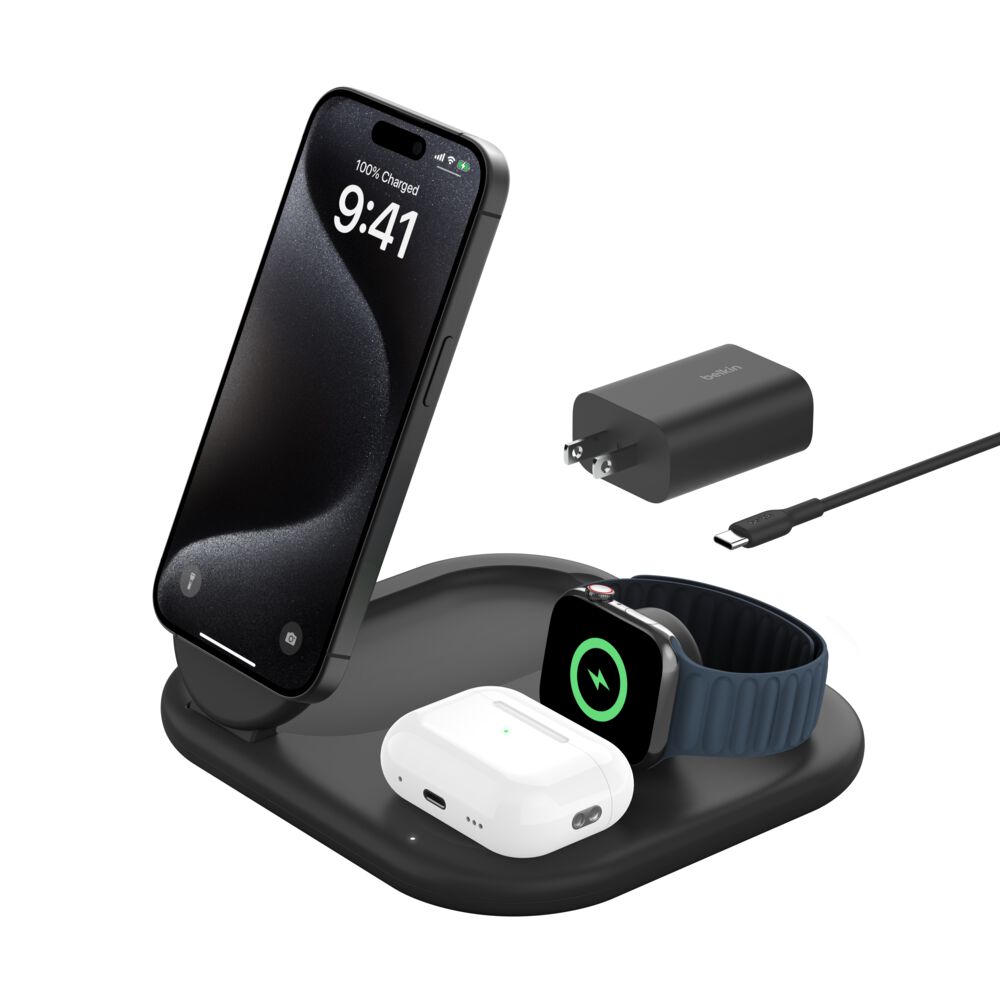
The Science Behind Wireless Charging: How It Works and Why It Matters
Wireless charging, also known as inductive charging, operates on the principles of electromagnetic induction. This innovative technology uses an electromagnetic field to transfer energy between two devices: a charging station and a device equipped with a compatible receiver. When you place your smartphone or smartwatch on a wireless charging pad, an alternating current flows through a coil in the charger, creating a magnetic field. This magnetic field induces an electric current in another coil located in the device, which then converts the energy into usable power to charge the device's battery. The convenience of not having to fumble with cables is one significant reason why wireless charging is gaining popularity.
The importance of wireless charging extends beyond mere convenience; it represents a significant advancement in how we power our devices. As more electronics adopt this technology, it can lead to a reduction in cable waste and contribute to a more sustainable future. Furthermore, wireless charging can enhance user experience by enabling seamless integration with various smart environments, such as in-car charging or public charging stations. By eliminating the need to physically connect devices to a power source, wireless charging not only simplifies our daily routines but also paves the way for innovation in tech design, as manufacturers are free to rethink the inclusion of ports and connectors in their products.
Counter-Strike is a popular first-person shooter game that has captivated gamers since its release. In this game, players can choose to be part of the terrorist or counter-terrorist team, engaging in various objectives such as bomb defusal or hostage rescue. To keep your gaming gear safe and stylish, check out the Top 10 iphone slim cases that offer protection without adding bulk. The game's competitive nature and strategic depth make it a staple in the esports community.
Top 5 Benefits of Wireless Charging You Didn't Realize You Were Missing
Wireless charging has revolutionized the way we power our devices, eliminating the clutter of cords and those frustrating moments of searching for a charging cable. One of the top benefits of wireless charging is its incredible convenience. You can simply place your device on a charging pad, and it starts charging without the hassle of plugging in. This feature is particularly useful in public spaces or at the office, where multiple devices can be topped off without the need for numerous outlets or cables.
Another major advantage that many users overlook is the protection against wear and tear. Regularly plugging and unplugging charging cables can lead to damage over time, both for the cable and the device's charging port. With wireless charging, you dramatically decrease the risk of physical damage and maintain the longevity of your devices. Moreover, wireless chargers often come equipped with features like overheating protection and automatic shut-off, ensuring a safer charging experience for your mobile devices.
Is Wireless Charging Safe? Debunking the Myths and Misconceptions
Wireless charging is a technology that has gained significant popularity due to its convenience and ease of use. However, many people are still concerned about its safety. Is wireless charging safe? The short answer is yes, but it's essential to separate fact from fiction. One common myth is that wireless charging emits harmful radiation. In reality, wireless chargers use electromagnetic fields to transfer energy, similar to the technology used in microwave ovens, but at a much lower frequency and power level, making it safe for everyday use. Furthermore, the charging pads are designed with safety features that prevent overheating and short circuits, ensuring that your devices are protected during the charging process.
Another misconception is that wireless charging can damage your device's battery over time. While it's true that all charging methods can affect battery life, modern smartphones are equipped with advanced battery management systems that prevent overcharging and overheating, regardless of whether they're charged wirelessly or with a cable. Additionally, using a reputable wireless charger that meets established safety standards can further mitigate any risks. In conclusion, when used properly, wireless charging is safe and offers the convenience of a cable-free experience without compromising on performance or safety.