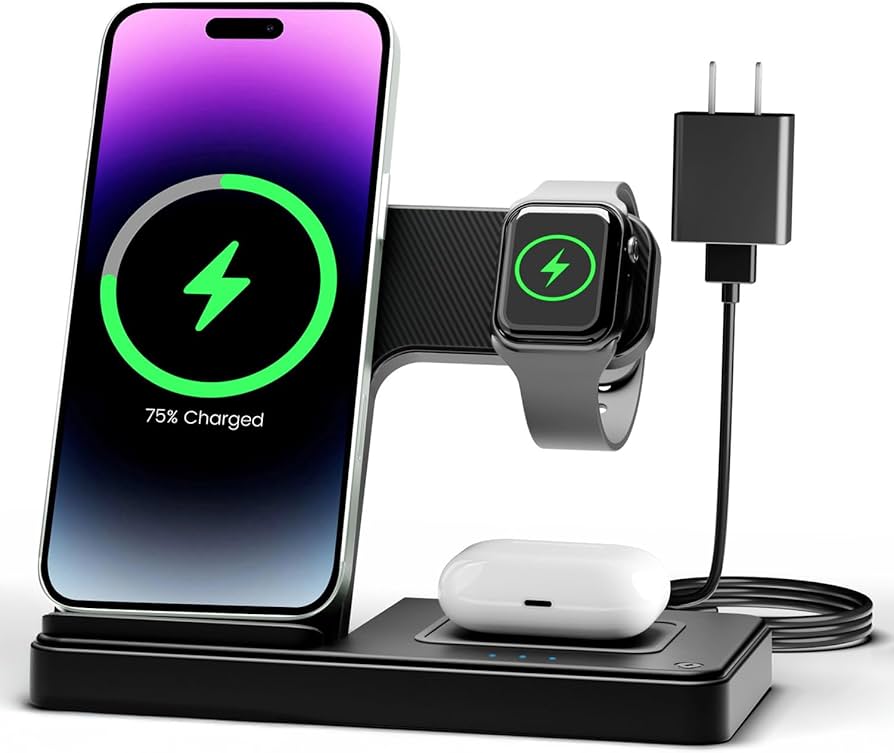
Debunking the Top 5 Mobile Charging Myths: What You Need to Know
In today's fast-paced world, mobile charging myths can lead to confusion and poor device maintenance. One common myth is that you should drain your phone's battery completely before charging it. In reality, lithium-ion batteries used in most smartphones do not require this practice; it's perfectly fine to charge your device whenever it's convenient. Another myth is that using third-party chargers can damage your phone. While it's true that low-quality chargers can pose risks, reputable brands typically meet safety standards and will not harm your device.
Another prevalent myth is that a phone will charge faster when turned off. This is partially true, but the difference is often negligible for modern devices due to optimized charging technologies. Additionally, some believe that leaving your phone plugged in overnight will damage the battery. Fortunately, most smartphones now have built-in mechanisms to prevent overcharging, making this less of a concern. To maximize your battery's lifespan, it's advisable to keep it between 20% and 80% charged and avoid extreme temperatures.
Counter-Strike is a highly popular tactical first-person shooter game that pits two teams against each other, the terrorists and the counter-terrorists. Players can choose from various game modes, each requiring teamwork and strategy to succeed. If you're looking to enhance your gaming experience, check out the Top 10 fast chargers for iPhone, which can help you stay charged during long gaming sessions.
Is Overnight Charging Really Bad for Your Phone? Let's Find Out!
In today's fast-paced world, many smartphone users rely on overnight charging as a convenient way to ensure their devices are fully powered for the next day. However, there's been much debate surrounding whether this practice is detrimental to battery health. To understand the implications, it’s essential to grasp how modern lithium-ion batteries operate. These batteries are designed with smart charging technology that regulates power flow, significantly minimizing potential damage. As a result, charging your phone overnight, while still a point of concern for some, is generally considered safe.
Nevertheless, there are a few factors to keep in mind to protect your device. For instance, consistently letting your battery drop to very low levels before charging can hinder battery longevity. Additionally, using a high-quality charger and avoiding exposure to extreme temperatures can help maintain battery efficiency. Ultimately, if you're diligent about these practices, overnight charging can be a manageable routine, allowing you to wake up to a fully charged phone without excessive worry about its health.
Are Wireless Chargers Slower and Less Reliable Than Wired? The Truth Revealed
When it comes to charging your devices, a common question arises: Are wireless chargers slower and less reliable than wired? The answer is not straightforward, as it depends on various factors, including the charger’s specifications and the device being charged. Generally speaking, wired chargers tend to deliver faster charging speeds due to their direct connection, allowing for higher wattage. For instance, while many devices support 18W to 30W charging via a wired connection, wireless chargers often max out at 10W for standard Qi-enabled models. This difference can lead to a perception that wireless charging is slower, especially when you're in a hurry and need a quick power boost.
However, it's essential to consider that advancements in wireless charging technology have significantly improved both speed and reliability. Some high-end models now offer fast charging capabilities, comparable to their wired counterparts. Additionally, the consistency wireless chargers provide may sometimes outweigh the speed factor, as they often include built-in safety features that prevent overheating or overcharging. Therefore, while wireless chargers may initially seem slower, they can provide a reliable and user-friendly charging experience that many users prefer for everyday use.