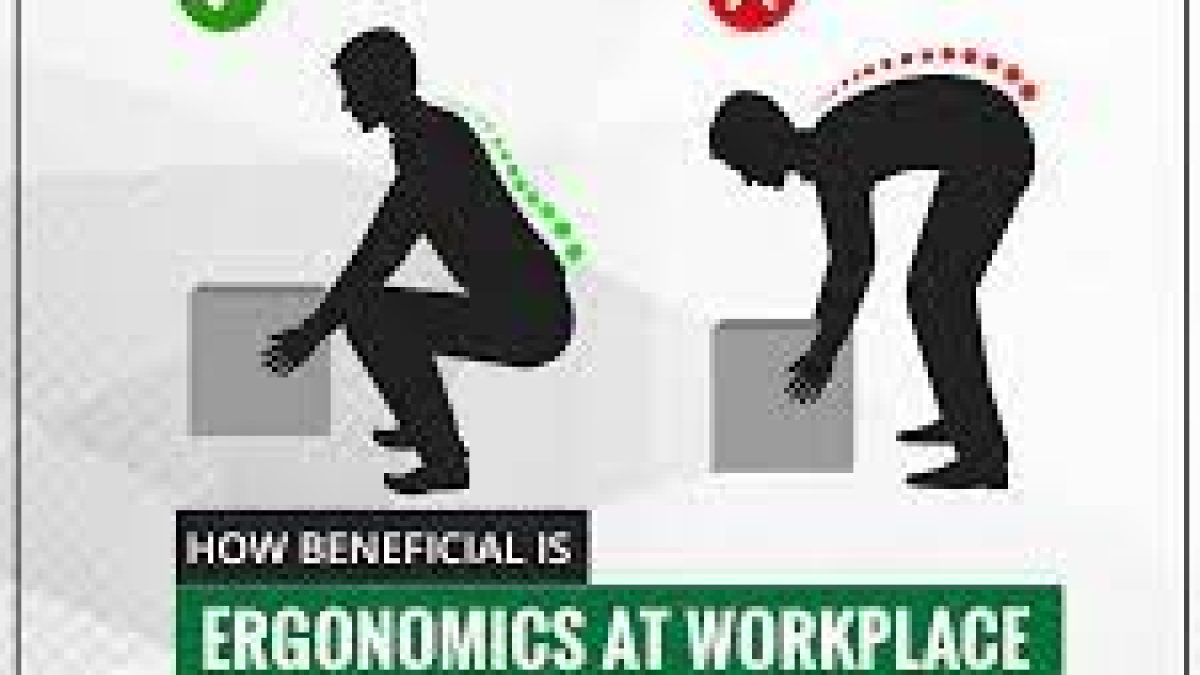
The Hidden Dangers of Poor Ergonomics: Is Your Chair Sabotaging Your Health?
In today's fast-paced work environment, many people overlook the importance of proper ergonomics, especially when it comes to their seating arrangements. A poorly designed chair can lead to a cascade of health issues, ranging from chronic back pain to severe musculoskeletal disorders. According to studies, inadequate ergonomic support can increase the risk of developing conditions like carpal tunnel syndrome, tension headaches, and even eye strain, as workers often find themselves adjusting their posture in an attempt to alleviate discomfort. Are you really aware of how much your chair could be sabotaging your health?
It's essential to recognize the signs that your chair may not be providing the support you need. Some of the most common indicators include:
- Pain or discomfort while sitting for extended periods
- Frequent adjustments to your posture
- Inability to maintain a neutral spine alignment
- Fatigue or reduced concentration during work hours
Counter-Strike is a popular tactical first-person shooter game that has garnered a massive following since its release in the late 1990s. Players can engage in various modes, such as bomb defusal and hostage rescue, creating an intense competition. For gamers looking to enhance their gaming experience, here are the Top 10 MacBook Air accessories that can improve both performance and comfort.
How to Choose an Ergonomic Chair That Truly Supports You
Choosing the right ergonomic chair is crucial for maintaining your health and productivity, especially if you spend long hours at a desk. Consider the adjustability of the chair; features such as height, armrest width, and lumbar support should be customizable to fit your body perfectly. Additionally, look for a chair with a comfortable seat cushion and breathable materials to promote airflow. To help guide your decision, here are some key factors to evaluate:
- Height Adjustment: Ensure the chair can be adjusted to meet the height of your desk.
- Lumbar Support: A chair with proper lumbar support will help maintain the natural curve of your spine.
- Seat Depth: The seat should allow you to sit comfortably without putting pressure behind your knees.
It's also important to consider the material of the chair and how it aligns with your daily use. Chairs made from high-quality materials tend to offer better durability and comfort over time. Always try out a chair before purchasing if possible—spend a few minutes sitting in it to gauge comfort and support. Additionally, don't overlook the warranty and durability of the chair; investing in a high-quality ergonomic chair may save you from back pain and discomfort in the long term.
Are You Sitting Correctly? Common Chair Mistakes That Could Hurt You
In today's fast-paced world, many of us spend hours sitting in front of a computer, often neglecting the importance of proper posture. Are you sitting correctly? If your answer isn't a confident 'yes,' you may be making common chair mistakes that could lead to discomfort and long-term health issues. For instance, slouching can strain your back and neck, while sitting too far back in your chair can cause misalignment in your spine. Understanding the potential pitfalls of poor seating habits is crucial for maintaining both your comfort and productivity.
To assess your sitting posture, consider the following checklist:
- Your feet should be flat on the ground or on a footrest.
- Your knees should be at or slightly below hip level.
- You should sit all the way back in your chair, allowing your back to rest against the lumbar support.
- Your elbows should be close to your body and form an angle between 90 to 120 degrees.